

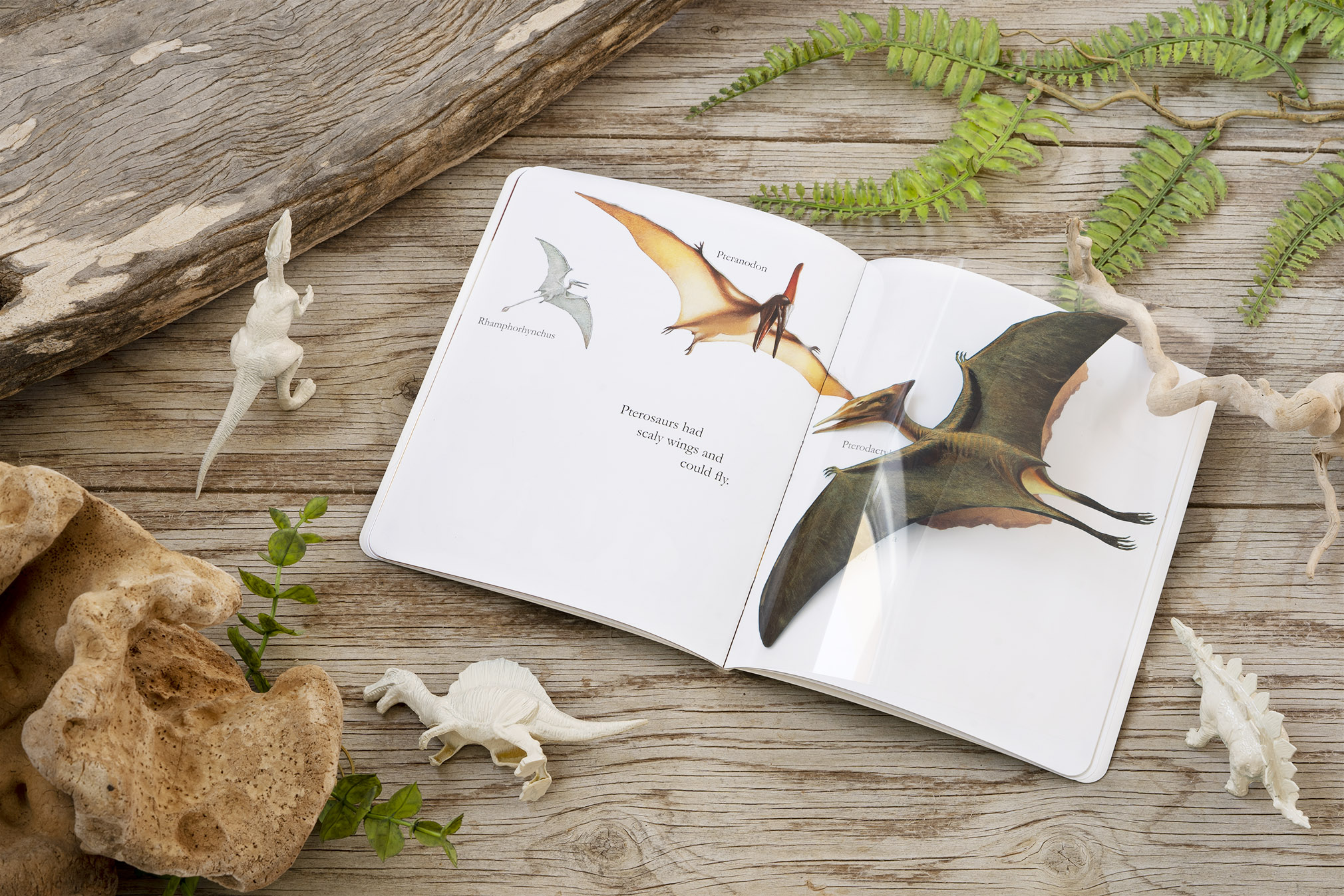
Choosing Non-Fiction Books for Your Kids

With Christmas just around the corner, many parents (and other family members) are thinking about what books to buy for their kids. But how do we choose books they’ll love and that will help them develop?
It’s a common misconception that kids prefer fiction to non-fiction. Many adults assume that children associate non-fiction with schoolwork, making it less appealing during their free time. However, research consistently shows that most children not only enjoy non-fiction but, when given the choice, many will gravitate toward it over fiction.
So why should non-fiction be a part of your child’s reading routine?
The Benefits of Reading Non-Fiction
1. Fosters Curiosity
Non-fiction books inspire children to explore the world around them. They introduce new vocabulary, fascinating facts, and fresh perspectives, building the foundational knowledge and understanding that will serve them throughout their education.
2. Develops Interests and Passions
Non-fiction can tap into your child’s specific interests—whether it’s butterflies, space, or sports—making reading an exciting and enjoyable activity.
3. Encourages Critical Thinking
Reading non-fiction encourages children to ask questions and discover answers through exploration. This builds their critical thinking and problem-solving skills, helping them become independent learners.
4. Bridges the gap between “Learning to Read” and “Reading to Learn”
Non-fiction helps children transition from learning how to read to using reading as a tool for discovering and understanding the world.
So if the benefits of reading non-fiction are very clear, how can we ensure our child’s experience is positive? Here are 8 tips:
How to Help Your Child Enjoy Non-Fiction
1. Encourage Independent Exploration
Invite your child to ask questions and then guide them toward books where they can find answers. This empowers them to take control of their learning.
2. Offer Freedom of Choice
Provide a variety of non-fiction materials—books, magazines, and graphic novels—and let your child choose what sparks their interest.
3. Follow Their Passions
Pay attention to your child’s hobbies and curiosities. Are they fascinated by animals, space, or cooking? Find books that align with these interests to make reading feel personal and rewarding.
4. Connect to Real-Life Experiences
Let your child’s daily experiences guide your book choices. For example, if they’ve recently visited a zoo or museum, find books related to the animals or exhibits they saw.
5. Make it Interactive
Engage your child by asking questions, encouraging predictions, and sharing reactions. Do this especially when your child is more passionate about the topic than you are. This shared experience will make reading more dynamic and fun.
6. Share Your Own Enthusiasm
When reading to your child, pick books that you also find engaging. Your excitement about a topic or book will inspire your child and make the reading experience more enjoyable for both of you.
7. Look for Stunning Visuals
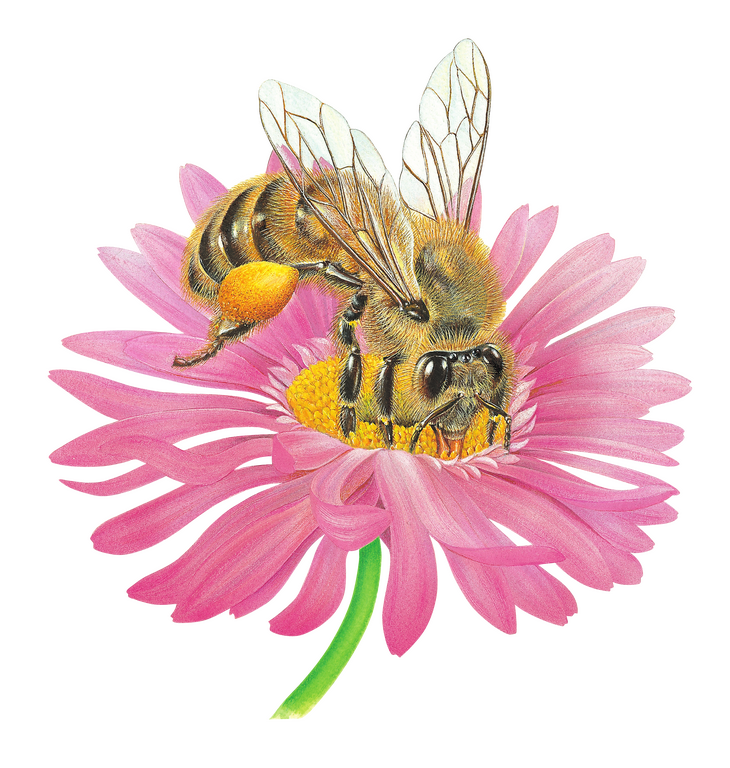
High-quality visuals, whether they be photos or illustrations, are crucial in non-fiction for kids. Eye-catching images can spark curiosity and lead to meaningful conversations, especially for younger readers.
8. Allow Your Child’s Reading to Be Non-Linear
Non-fiction books don’t have to be read cover-to-cover. Start with a captivating image or page and let your child explore from there. They might return to favourite sections repeatedly, reinforcing their learning.
Need Help in Choosing the Right Book?
If you’re looking for recommendations, check out our non-fiction reading guide on Instagram or choose one of our captivating new Paperback Box Sets that offer a whole range of fabulous topics to choose from.
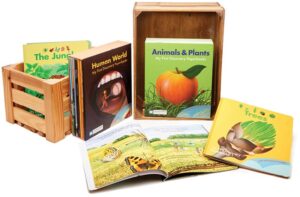
This holiday season, let non-fiction books inspire your child’s curiosity, spark their imagination, and help develop their life skills. A well-chosen book could be the perfect gift help them embark on a voyage of discovery!


Wishlist